• External link opens in new tab or windowFacebook
  • External link opens in new tab or windowInstagram
TJ Consulting & Inspections Inc.
Menu
  • External link opens in new tab or window
  • External link opens in new tab or window

What is a Sewer Scope?

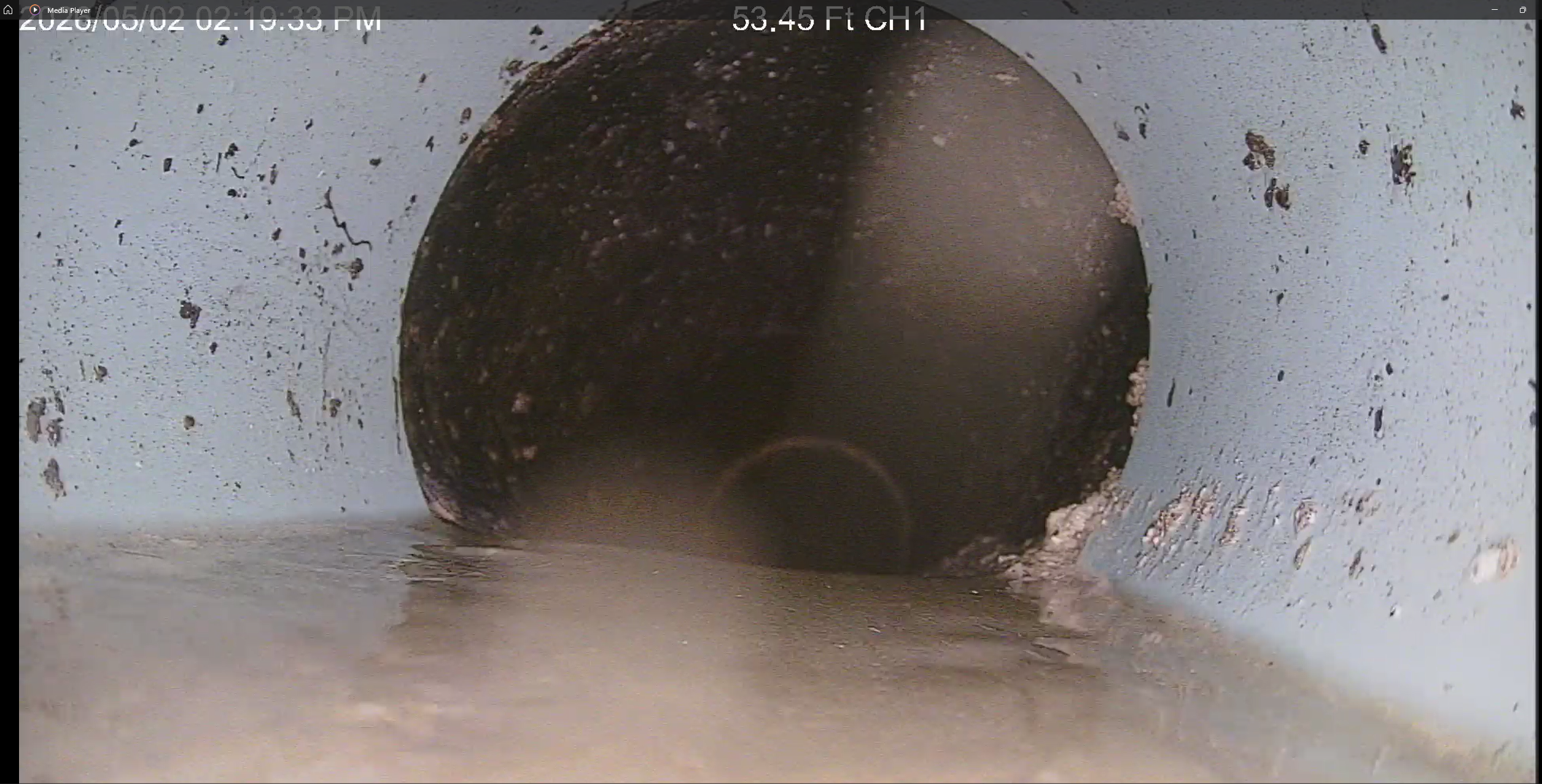
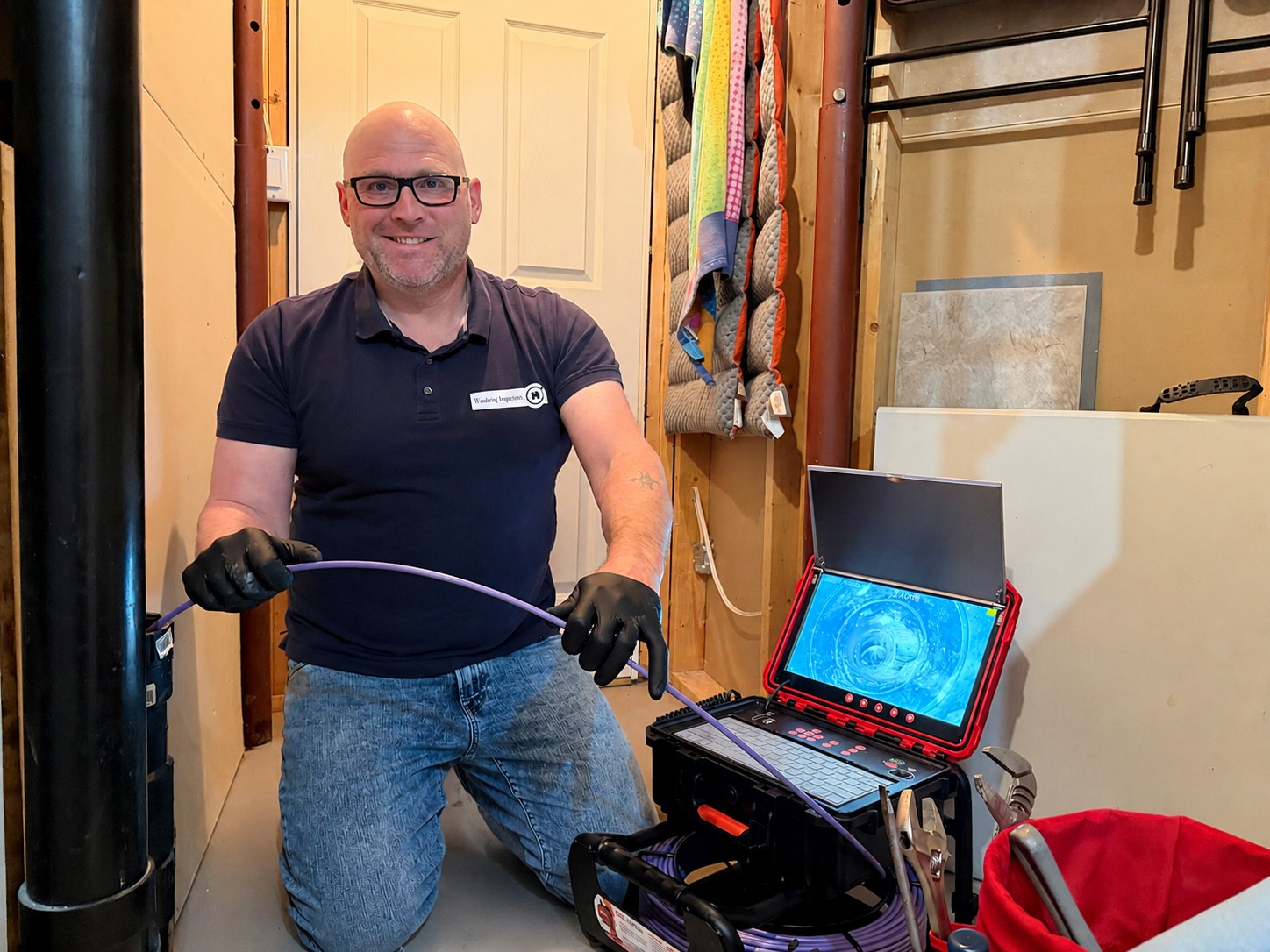
A sewer scope is a specialized inspection in which a waterproof, high-resolution camera is inserted into the home’s main sewer line to visually examine the condition of the underground drainage piping from the house toward the municipal sewer connection. From new build installations and infill properties to renovated and older homes, this inspection helps identify potential issues such as blockages, root intrusion, cracks, offsets, construction debris, or damaged piping before they impact the plumbing system. A sewer scope can help protect your investment, confirm proper installation practices, and assist with planning future maintenance or repairs.


The common deficiencies found in a sewer lateral..........


Column

  • Root intrusion

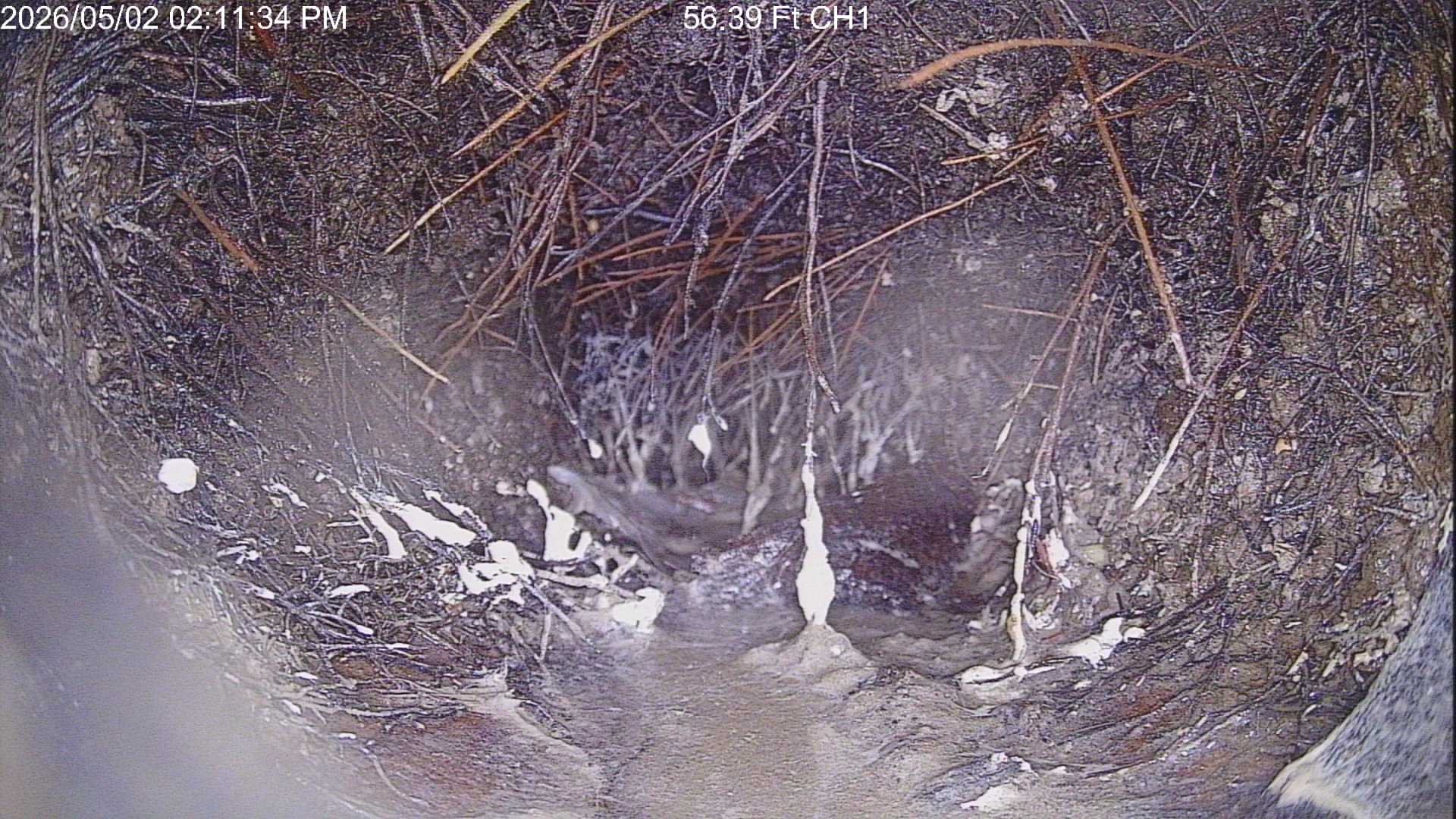
Root intrusion occurs when tree or shrub roots enter the sewer mainline through small cracks, loose joints, or damaged pipe sections in search of moisture. Over time, the roots can expand inside the pipe, restricting drainage flow and potentially causing blockages, backups, or pipe damage. This condition is common in older sewer systems and may require cleaning, hydro jetting, or repairs depending on the severity.

  • Cracks or fractures

Cracks or fractures in a sewer line are breaks or separations in the pipe material that can develop due to age, ground movement, shifting soil, freezing conditions, or deterioration. These defects may allow water leakage, root intrusion, or soil infiltration and can eventually lead to restricted drainage flow, backups, or partial pipe collapse if not properly monitored or repaired.

  • Offsets or separated joints

Offsets or separated joints in a sewer line occur when sections of piping shift out of alignment or pull apart due to ground movement, settling, or deterioration. These conditions can restrict drainage flow, catch debris, allow root intrusion, and increase the risk of backups or further pipe damage over time


  • Bellies or sagging

A belly in a sewer mainline is a low or sagging section of pipe where water and waste can collect instead of flowing properly. Bellies are commonly caused by ground settlement or improper installation and may lead to slow drainage, debris buildup, recurring blockages, or premature pipe deterioration over time.

Column

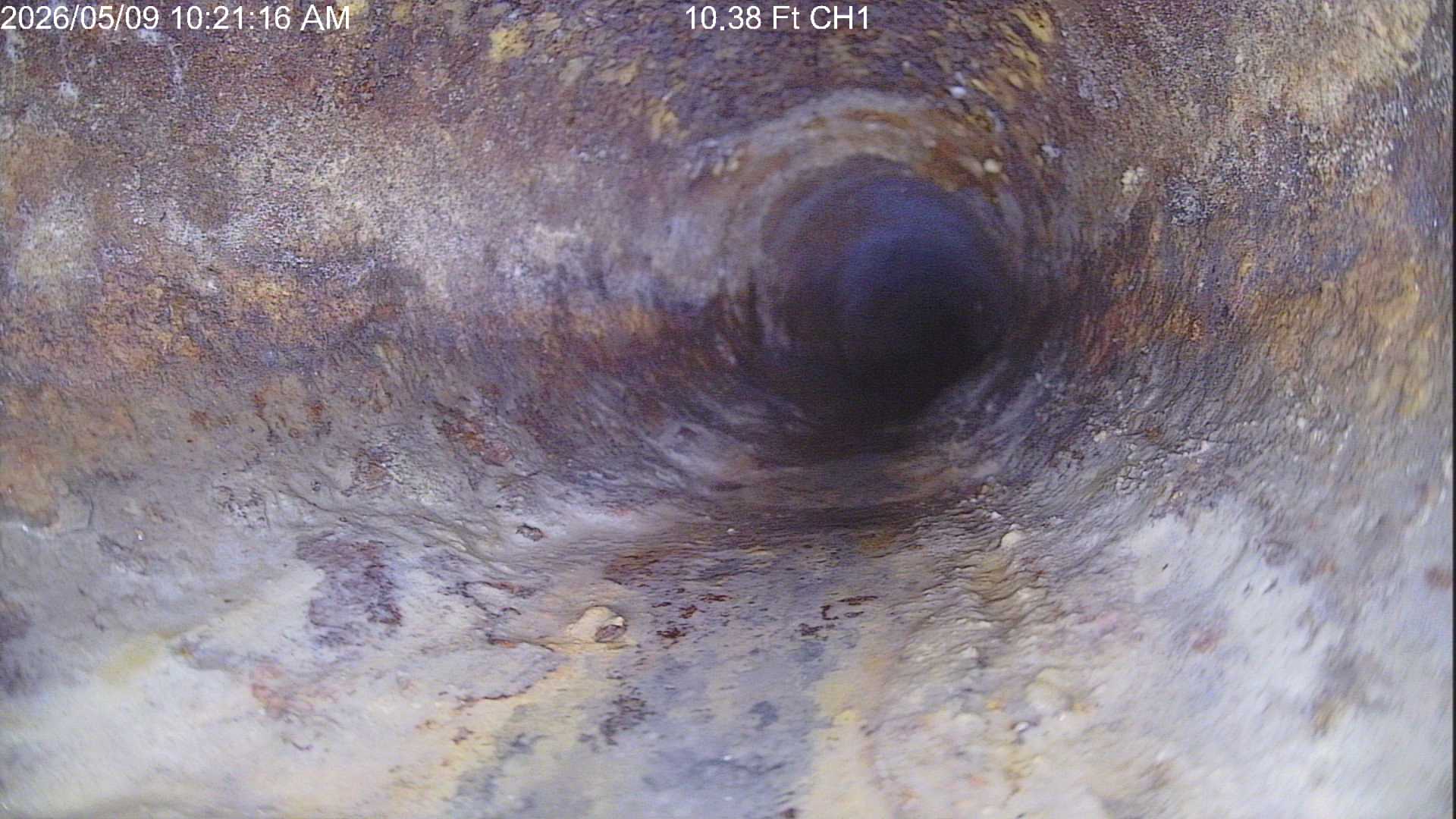
  • Corrosion or scale build up

Corrosion or scale buildup in a sewer main occurs when the interior walls of the pipe deteriorate or accumulate mineral deposits over time. This condition can reduce the inside diameter of the pipe, restrict drainage flow, trap debris, and increase the likelihood of blockages or backups. It is commonly found in older cast iron or metal sewer piping.

  • Grease or debris accumulation

Grease or debris accumulation in a sewer main occurs when fats, oils, waste materials, or foreign objects build up inside the piping over time. This buildup can restrict drainage flow, catch additional debris, and increase the risk of slow drains, blockages, or sewer backups if not properly cleaned and maintained.

  • Collapsed or damaged pipe

A collapsed or damaged sewer main occurs when a section of the pipe has structurally failed due to age, ground movement, corrosion, root intrusion, or external pressure. This condition can severely restrict or completely block drainage flow and may result in recurring backups, soil infiltration, or the need for significant repair or replacement.

  • Construction debris in new builds

Construction debris in a sewer line occurs when materials such as drywall mud, grout, wood, rocks, tape, or other building debris enter the plumbing system during construction. This debris can restrict drainage flow, contribute to blockages, and potentially damage the sewer system if not properly removed.


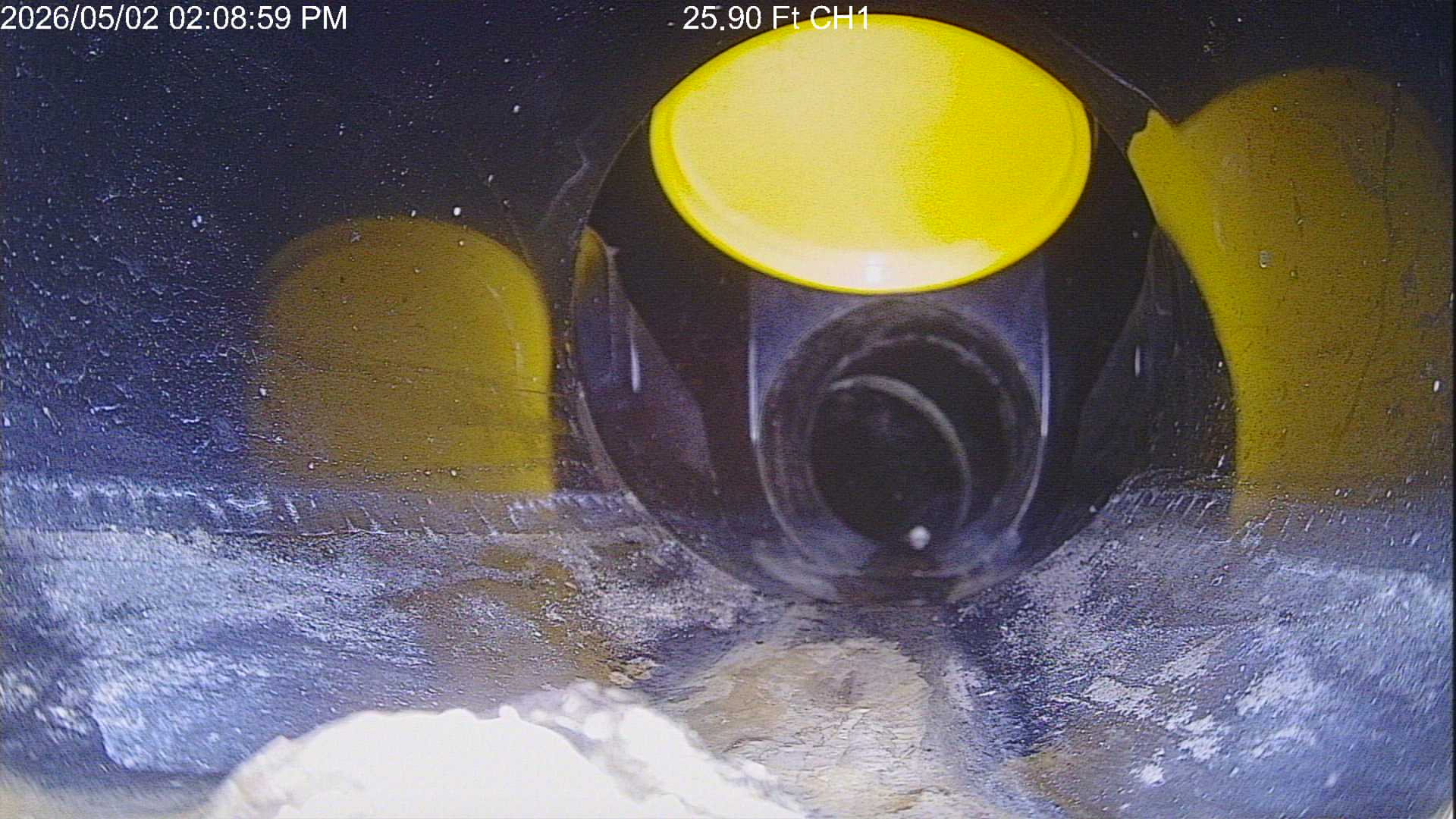
Back water valve
Back water valve
Back water valve
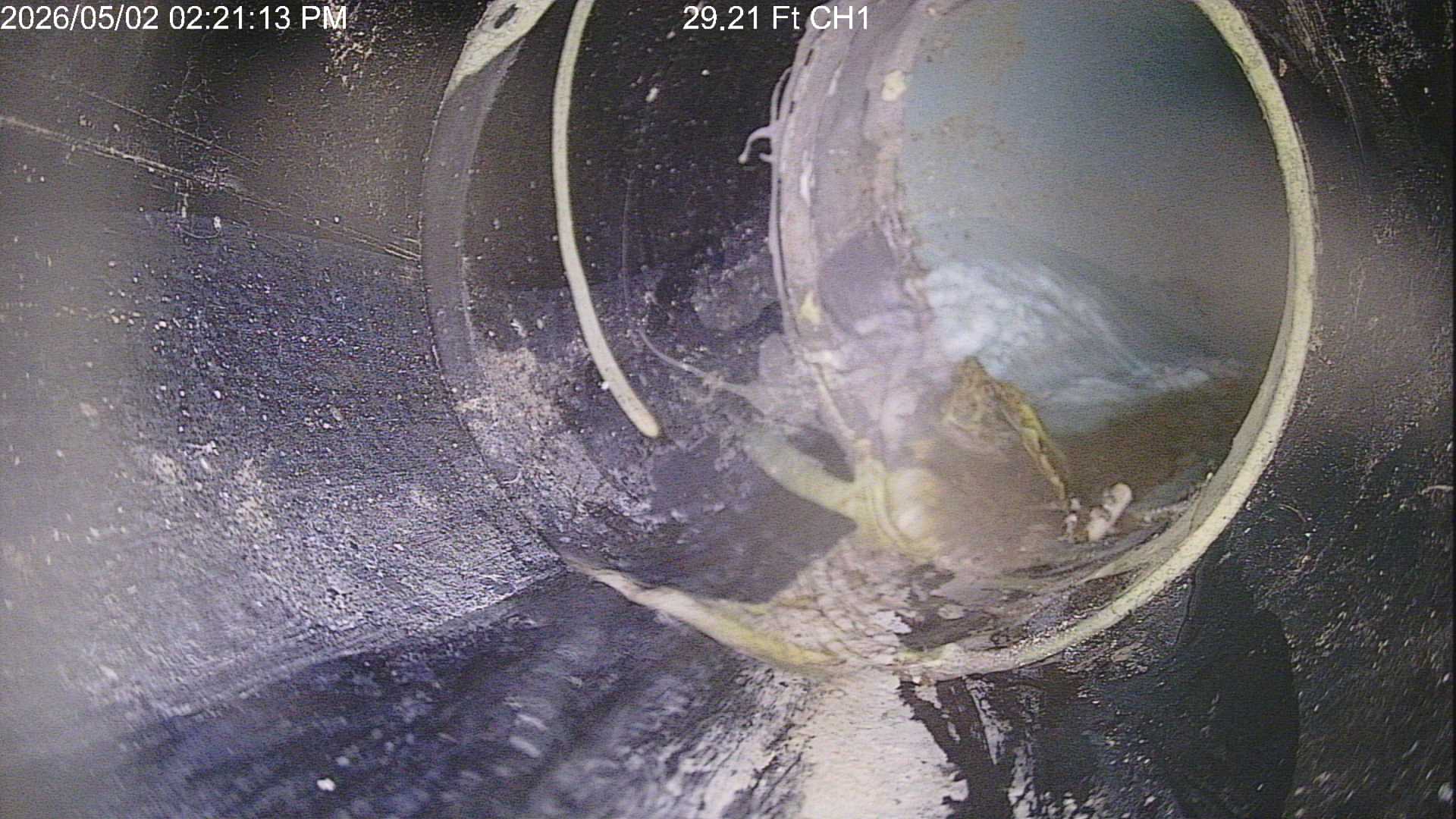
ABS to SDR transition
grease build-up
grease build-up
grease build-up
Root blockage
Root blockage
Root blockage
Sag
Sag
Sag
0


Column

 Certified & Licensed in Alberta:   #340578,  #340579 & #352870

 Member of InterNACHI:  #14071404 & #18022606

AlbertaACHI Association

External link opens in new tab or windowAlbertaACHI           &             External link opens in new tab or windowInterNACHI

https://0901.nccdn.net/4_2/000/000/038/2d3/7-low-resolution-for-web-png-1545240154.png
https://0901.nccdn.net/4_2/000/000/011/751/41-low-resolution-for-web-png-1545245153.png
https://0901.nccdn.net/4_2/000/000/07e/96f/hd_albertaachi.jpg
https://0901.nccdn.net/4_2/000/000/017/e75/233-low-resolution-for-web-png-1584978925.png
https://0901.nccdn.net/4_2/000/000/07d/95b/cmi-logo-two-color-blue-on-gold.png
0
Column

Get in Touch


145676
Invalid Form properties detected


Terry  7809154040   tjhomeinspection@gmail.com

Todd  5879898795   toddjenkinsinspections@gmail.com


  • External link opens in new tab or windowFacebook
  • External link opens in new tab or windowLinkedIn
  • External link opens in new tab or window
  • External link opens in new tab or windowPinterest
close lightbox